A Comprehensive Guide to Mold Testing Lakeland, FL: Choosing the Right Company

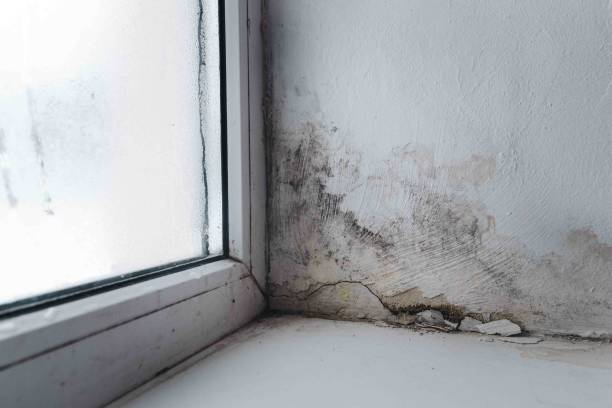
mold in the corner of the window stock photo

When dealing with mold issues in your home or business, selecting the right mold removal company is critical. Not all companies offer the same level of expertise, transparency, and reliability. Here’s a guide to ensure you make an informed decision that prioritizes safety and efficiency.

Researching Your Options

Start by gathering information about companies in your area. Look for businesses that specialize in mold remediation rather than general contractors who may only offer basic services. Use online reviews, ask for recommendations from trusted sources, or consult with professional organizations.

Key places to research: – Online directories such as Yelp or Google Business Profiles. – Industry certifications like those from the Institute of Inspection Cleaning and Restoration Certification (IICRC). – Local health departments for recommendations on licensed professionals in your region.

Essential Factors to Consider

  1. Certifications and Licenses
    Ensure the company is appropriately certified and licensed to conduct mold remediation. Certifications such as IICRC (Institute of Inspection Cleaning and Restoration Certification) or NAMRI (National Association of Mold Remediators and Inspectors) demonstrate professionalism and training.
  2. Inspection Services
    A reputable company will begin with a comprehensive inspection before proposing any solutions. Look for those offering detailed testing services with lab-certified results.
  3. Experience in Mold Remediation
    Companies with years of experience are better equipped to handle complex cases involving hidden mold growth or harmful black molds.
  4. Insurance Coverage
    Verify whether the company has liability insurance specific to mold remediation work. This protects you in case of accidental damage during the removal process.
  5. Transparent Pricing
    Avoid companies that provide vague estimates without inspecting your property thoroughly first. Instead, opt for those offering a detailed breakdown of costs upfront.
Factor Why It’s Important
Certifications & Licenses Indicates credibility and specialized training
Insurance Protects against unexpected damages
Experience Ensures effective handling of complex situations
Transparent Pricing Prevents hidden fees and ensures value for money

Questions to Ask Before Hiring

  • What certifications do you hold?
  • Can you provide references from previous clients?
  • Do you use environmentally friendly products during remediation?
  • Will testing be conducted by an independent third party?
  • Do you offer warranties on your work?

Asking these questions helps gauge their professionalism while ensuring their approach aligns with industry best practices.

Benefits of Choosing the Right Mold Removal Company

Hiring an expert can save time, prevent potential health risks, and safeguard your property’s structural integrity by ensuring all traces of mold are effectively removed. The right team will not only eliminate visible growth but also address underlying issues like water leaks or poor ventilation that contribute to recurring problems.

Making an informed choice empowers homeowners and business owners alike to protect both their health and investment from long-term damage caused by improper treatment methods or amateur solutions.

Key Certifications and Training to Look For in Lakeland Mold Removal Services

When hiring a mold testing specialist, certifications and formal training are critical indicators of their expertise and reliability. Mold testing is a highly technical process that requires specific skills, knowledge, and tools to identify mold presence accurately and recommend effective solutions. Below is an overview of the key certifications and training programs you should prioritize when evaluating a mold testing professional.

Essential Certifications for Mold Testing Specialists

  • CIEC (Council-certified Indoor Environmental Consultant): Offered by the American Council for Accredited Certification (ACAC), this certification indicates advanced knowledge in indoor environmental sciences, including mold identification and remediation.
  • CMI (Certified Microbial Investigator): This credential emphasizes proficiency in detecting microbial issues such as mold growth.
  • IICRC Mold Certification (Institute of Inspection Cleaning & Restoration Certification): A widely recognized accreditation that ensures professionals understand proper procedures for inspecting, sampling, and interpreting growth conditions for molds.
  • NAMP Certified Mold Inspector: The National Association of Mold Professionals offers this certification to experts trained in identifying mold problems using advanced equipment.

Importance of Formal Training Programs

  1. Mold Biology and Behavior: Understanding how different types of mold thrive under varying environmental factors like humidity, temperature, or ventilation.
  2. Sampling Techniques: Proper collection methods — such as air sampling, surface swabbing, or bulk sampling — ensure accurate results.
  3. Moisture meters
  4. Infrared cameras
  5. Air quality monitors
  6. Health Risks Assessment: Learning how mold exposure affects humans, particularly immunocompromised individuals or those with respiratory conditions.
  7. Remediation Protocols: Training on containment strategies to prevent further spread once mold is detected.

Comparing Certifications Through a Table

Certification/Training Associated Organization Key Competencies Covered
CIEC ACAC Indoor environment assessment; advanced microbial analysis
CMI ACAC Detection techniques; microbial contaminant identification
IICRC Mold Certification IICRC Sampling methods; remediation guidelines
NAMP Certified Mold Inspector NAMP Visual inspection skills; air quality testing

Questions to Ask About Certifications

  • What certifications do you hold related to mold inspection or testing?
  • How recent was your last recertification or continuing education course?
  • Can you provide documentation proving your certification status?

By prioritizing well-trained professionals with relevant credentials, you can feel confident that your home or property will be assessed thoroughly to address any potential health hazards posed by molds effectively.

Key Certifications and Training to Look For in a Mold Testing Specialist

Hiring the right mold testing specialist is critical to ensuring the health and safety of your home or workplace. With so many professionals claiming expertise in mold testing, it’s essential to understand which certifications, training, and qualifications indicate true proficiency. Below is a comprehensive guide on the key certifications and educational standards you should prioritize when selecting a mold testing specialist.

Industry-Recognized Certifications

  • Certified Mold Inspector (CMI): This certification focuses on the skills required for effective mold investigation, from sampling techniques to understanding microbial contamination.
  • Certified Indoor Environmentalist (CIE): Specialists with this designation are trained to assess indoor environmental quality comprehensively, including mold issues.
  • Council-certified Microbial Consultant (CMC): Offered by the American Council for Accredited Certification (ACAC), this credential signifies expertise in identifying fungal contamination.
  • National Organization of Remediators and Mold Inspectors (NORMI) Certification: NORMI offers various levels of training for professionals specializing in indoor air quality and mold issues.

Always verify that your selected professional holds valid and up-to-date certifications from accredited organizations.

Essential Training Areas

  1. Mold Identification:
    The ability to distinguish between different types of molds is crucial since not all molds pose the same risks. Proper identification helps determine mitigation strategies.
  2. Sampling Methods:
    There are various sampling methods for detecting molds, such as air sampling, surface swabbing, or bulk material testing. Specialists must know how to choose and execute these techniques appropriately.
  3. Indoor Air Quality Analysis:
    A well-trained professional should understand how ventilation systems affect air circulation—and potentially spread spores—within enclosed spaces.
  4. Moisture Mapping & Source Detection:
    Since moisture is often the underlying cause of mold growth, specialists need skills in moisture mapping tools like thermal imaging cameras or hygrometers.
  5. Safety Protocols:
    Proper use of personal protective equipment (PPE) and adherence to safety guidelines ensures both client safety and professional reliability during inspections.

Comparison Table: Certifications vs Training Areas

Certification Focus Area Accreditation Body Importance Level
Certified Mold Inspector (CMI) Sampling & Mold Investigation ACAC High
Certified Indoor Environmentalist Comprehensive Indoor Environment Review IAQA/National Registry High
Council-certified Microbial Consultant Fungal Contamination Assessment ACAC Very High
NORMI Certification Indoor Air Quality & Basic Remediation NORMI Medium

Questions You Should Ask Regarding Credentials

  1. Are you certified by an accredited body such as ACAC or NORMI?
  2. How often do you renew your certification(s)?
  3. What specific training have you completed related to air quality analysis?
  4. Can you provide references or examples of past work?

By ensuring your professional meets these standards, you’ll increase the likelihood of accurate results while safeguarding against unnecessary risks or expenses associated with improper assessments.

Effective Lakeland, FL Mold Removal: The Role of Experience and Expertise

When dealing with mold issues, experience and expertise are critical factors that can determine the success of the testing and remediation process. Hiring a professional with proven skills in mold detection ensures not only accurate results but also the safety of your home or workplace. Below, we explore why experience and expertise matter, along with specific attributes to look for in a qualified mold testing professional.

Why Experience Matters

  1. Accurate Identification of Mold Types
    Experienced specialists are familiar with a wide range of mold species. This knowledge is crucial because different types of molds require distinct treatment strategies. For instance:
  2. Allergenic molds may trigger respiratory issues but are less invasive to structures.
  3. Pathogenic molds pose more significant health risks under certain conditions.
  4. Toxigenic molds, such as black mold (Stachybotrys chartarum), require immediate attention due to health hazards like mycotoxin exposure.
  5. Proper Use of Testing Equipment
    Professionals with extensive expertise know how to use advanced testing tools like air samplers, moisture meters, and infrared cameras effectively. Proper use minimizes errors during sampling or inspection and provides meaningful results.
  6. Tailored Action Plans
    An experienced team can provide customized solutions based on the extent of contamination, environmental factors, and structural materials affected by mold growth.

Expertise Leads to Better Outcomes

  • Knowledge of Building Science: A well-trained specialist understands how building systems (ventilation, HVAC systems, insulation) contribute to moisture buildup that encourages mold growth.
  • Health Impact Awareness: Expertise ensures that proper precautions are taken if occupants have pre-existing health conditions such as asthma or allergies.
  • Compliance With Regulations: Skilled professionals stay current with local and federal guidelines concerning air quality and mold remediation standards.

Key Qualities to Look For in an Expert

Attribute Importance Example Certifications
Relevant Qualifications Indicates formal training in environmental science or microbiology ACAC Certified Microbial Investigator (CMI), IICRC Certification
Industry Experience Demonstrates practical knowledge gained from years on the job 5+ years working specifically in residential/commercial settings
Specialized Tools Access to high-quality equipment ensures accurate diagnostics Infrared thermography tools, air quality monitors
Communication Skills Helps clients understand findings and recommended actions Clear explanation of reports or lab results

Benefits for Homeowners

  1. Peace of Mind: Working with someone who has both experience and expertise reduces uncertainty about whether all sources of contamination have been identified.
  2. Cost Efficiency: Accurate testing prevents unnecessary treatments while ensuring problem areas are adequately addressed.
  3. Long-Term Protection: Proper assessment ensures that underlying causes like leaks or poor ventilation are corrected alongside visible mold removal efforts.

Choosing a professional who combines technical skill with hands-on experience is essential for managing mold problems effectively while protecting your property investment and health long-term.

Why Comprehensive Inspection and Testing Are Crucial in Mold Detection

When it comes to addressing mold issues in your home, comprehensive inspection and testing are essential steps for accurate detection and remediation planning. Mold is often hidden behind walls, under flooring, or in areas not easily visible, making thorough evaluations critical for determining the extent of contamination. Below is an overview of why careful inspection and testing matter, including key methods used by professionals.

The Importance of Comprehensive Inspections

Mold thrives in damp, dark environments. However, spotting visible mold growth doesn’t always indicate the full scope of the problem. A detailed inspection helps uncover hidden mold colonies that might be causing structural damage or affecting air quality.

Key aspects of a comprehensive mold inspection include: – Visual Assessment: Trained professionals evaluate surfaces and areas prone to water damage. – Moisture Mapping: Using tools like moisture meters to identify areas with elevated humidity. – Infrared Thermography: Infrared cameras detect temperature differences that can reveal moisture buildup behind walls or ceilings.

Why Testing Is Critical

Testing goes beyond just identifying visible mold; it helps determine: 1. Species Identification: Not all molds are hazardous to health. Testing identifies specific types (e.g., Stachybotrys chartarum or black mold) which may require immediate attention. 2. Extent of Contamination: Air testing measures spore concentrations indoors compared to outdoor baseline levels. 3. Potential Health Risks: Some individuals are more sensitive to particular molds due to allergies or respiratory conditions.

Common Mold Testing Methods

Type of Test Purpose Tools Used
Air Sampling Measures concentration of airborne spores Air pumps, cassettes
Surface Sampling Identifies colonies on surfaces Swabs, tape lifts
Bulk Sampling Tests materials removed from affected areas Laboratory analysis
ERMI (Environmental Relative Moldiness Index) Quantifies indoor mold burden using DNA analysis Dust samples

Benefits of Comprehensive Inspection and Testing

  1. Accurate Diagnosis: Prevents misidentification of the problem’s source.
  2. Targeted Remediation Plan: Helps create a focused strategy based on reliable findings.
  3. Prevention of Future Issues: Addresses root causes such as leaks or ventilation problems.
  4. Health Protection: Ensures indoor air quality meets safe standards for occupants.

When Should You Consider Professional Mold Testing?

Consider professional testing if you notice any of the following: – Persistent musty odors despite cleaning efforts. – Recurring water damage from leaks or flooding. – Increased allergy symptoms or respiratory issues among your family members. – Visible signs of discoloration on walls, ceilings, or furniture.

Comprehensive inspections and testing are not just about treating existing problems but also about preventing long-term damage to your property and safeguarding your health. Working with certified professionals ensures you receive accurate results while addressing underlying causes effectively for lasting peace of mind.

Window corner damaged with indoor mold, closeup stock photo

How to Choose the Best Mold Removal Company Lakeland, FL for Your Home’s Safety

A detailed mold removal plan is critical to ensuring the safety and health of your home. When evaluating a mold remediation company’s proposed plan, it’s important to understand what makes it thorough and effective. Here are key components you should look for when assessing the plan.

Key Elements of a Detailed Mold Removal Plan

  1. A good plan begins with an in-depth assessment of the affected areas.
  2. Clear identification of the type, location, and extent of mold growth should be included.
  3. Frequency and methods of monitoring air quality may also be outlined.
  4. The plan should describe how mold-affected areas will be sealed off to prevent cross-contamination.
  5. Look for mentions of physical barriers (e.g., plastic sheeting) and negative air pressure systems.
  6. Specific methods for removing mold, such as HEPA vacuuming or antimicrobial cleaning agents, should be clearly stated.
  7. The use of environmentally safe products is often an indication of a high-quality removal process.
  8. Effective plans address not just existing mold but also its source by identifying water intrusion points like leaks or humidity issues.
  9. A strategy for repairing or eliminating these sources must be included.
  10. Cleaning procedures, including wiping down surfaces and HVAC system cleaning, should be outlined thoroughly.
  11. The plan must specify clearance testing processes to confirm the area is free from harmful levels of mold spores.
  12. Recommendations on how to prevent further growth in the future (e.g., improved ventilation or dehumidifiers) are essential.

Questions to Ask About the Mold Removal Plan

  • What specific tools and technologies will you use?
  • How will you ensure my family isn’t exposed during the process?
  • Are there long-term preventive solutions included after remediation?

Table: Sample Comparison Checklist for Evaluating Plans

Component Included in Plan A Included in Plan B Notes
Initial Assessment
Containment Strategies Missing critical step
Use of HEPA Equipment
Moisture Source Identification Needs investigation step
Clearance Testing

This sample table can help you compare different remediation plans objectively.

Warning Signs to Watch For

When evaluating a removal plan: – Avoid companies that provide vague details about their processes or skip steps such as clearance testing. – Be cautious if they promise results without inspecting moisture sources—this could lead to recurring issues. – Ensure warranties offered align with industry standards; overly short warranties may indicate low confidence in their work.

A clear and detailed mold removal plan safeguards not only your property but also your long-term health by addressing both immediate threats and underlying causes effectively.

Essential Tips for Choosing Mold Remediation Lakeland, FL Experts

Hiring the right mold testing or removal expert is essential to ensure your home and health are protected. However, not all professionals in this field operate with the same standards of quality. To help you make an informed decision, understanding potential red flags when selecting a specialist can save you time, money, and stress. Below are some key warning signs to watch out for during your selection process.

Lack of Proper Certification

  • State-specific licensing where required

If a company cannot provide proof of these credentials, you may want to consider other options.

No Written Estimates or Contracts

  • The company avoids giving detailed cost breakdowns.
  • They pressure you into verbal agreements without documentation.
  • There’s no mention of warranties or guarantees for their work in writing.

A lack of transparency in pricing could indicate poor business practices or hidden costs later on.

Reliance on Fear Tactics

  • Over-exaggerating the extent of mold damage without providing proper evidence through tests or lab reports.
  • Insisting urgent action is necessary without allowing time for second opinions or research.

Always seek a detailed explanation backed by data such as lab tests before committing to any service.

Offering Both Testing and Remediation Services

  • The same company insists on performing both services without independent verification from third-party inspectors.
  • They push unnecessary remediation steps based on potentially biased test results.

For accurate results, consider hiring separate specialists for testing and remediation when possible.

Poor Customer Reviews and Reputation

  1. They have consistently low ratings across platforms like Google, Yelp, or Better Business Bureau (BBB).
  2. Customers frequently complain about hidden fees, incomplete work, or unprofessional behavior.
  3. There is no online presence at all – credible businesses typically maintain websites showcasing their services and credentials.

Take time to read reviews thoroughly while also considering how the company responds to criticism.

Lack of Equipment and Advanced Techniques

  1. Rely solely on visual inspections without gathering data through technical equipment.
  2. Skip sending samples to certified labs for analysis.
  3. Dismiss concerns about cross-contamination during the removal process (e.g., failing to use HEPA filters).

Proper equipment ensures accurate detection and effective remediation plans tailored specifically to your home’s issue.

Summary Table: Common Red Flags vs Trusted Practices

Red Flag Trusted Practice
No certifications/licenses Holds IICRC/NAMRI certification
Refuses written estimates/contracts Provides clear documents with breakdowns
Uses fear tactics Explains findings calmly with evidence
Offers both testing + remediation Recommends independent third-party services
Poor customer reviews/reputation Positive reviews with prompt responses
No advanced equipment Utilizes moisture meters/air sampling/lab tests

By recognizing these red flags early in your decision-making process, you can better protect yourself from subpar service providers while ensuring an accurate diagnosis and effective resolution for your home’s mold problems.

Recognizing Red Flags When Selecting a Mold Testing or Removal Expert

Choosing the right mold testing or removal specialist is vital to ensure the safety of your home and family. However, it can sometimes be challenging to identify trustworthy professionals in an industry where misinformation and substandard practices exist. To help you make an informed decision, here are key red flags to watch out for when selecting a mold testing or removal expert.

1. Lack of Proper Certifications

Professional mold testing and removal require specific certifications that demonstrate a company’s adherence to industry standards. Be cautious if the company:
– Does not provide proof of certifications such as those from the National Organization of Remediators and Mold Inspectors (NORMI) or Institute of Inspection Cleaning and Restoration Certification (IICRC).
– Employs staff who lack training in mold inspection or remediation procedures.

Without these credentials, there is no assurance that they are qualified to perform the job effectively.

2. Offering Testing and Removal as a Single Service

A reputable company will typically specialize in either mold testing or mold removal—not both. Offering both services can lead to a conflict of interest, as the firm may exaggerate problems during testing to secure expensive remediation contracts. Always consider hiring separate companies for these tasks when possible.

3. No Clear Inspection Process

Reliable professionals should conduct thorough inspections before recommending any action plan. Beware if they:
– Skip physical examinations in affected areas and rely only on air quality sampling without context. – Fail to provide detailed reports on their findings with photographic evidence. – Offer vague explanations about the severity of the problem.

A lack of transparency may indicate careless practices or attempts to mislead homeowners.

4. Unrealistic Pricing

Pricing Red Flag Possible Implication
Very Low Estimates May cut corners, use poor-quality materials, or lack proper training.
Excessively High Estimates Possible price gouging without justifiable reasons for high costs.

Get multiple quotes from different providers so you can compare services and pricing effectively.

5. Absence of Insurance Coverage

Legitimate companies should carry liability insurance, along with workers’ compensation coverage for their employees. If an expert cannot produce proof of insurance, this could leave you financially liable for accidents that occur during their work.

6. No References or Reviews Available

Always ask for references from past clients or check online reviews through platforms like Google Reviews, Yelp, or Better Business Bureau (BBB). Be wary if:
– A company refuses to provide references upon request. – There are consistent negative reviews mentioning similar issues like poor workmanship or unprofessional behavior. – The business has no online presence at all.

Lack of transparency about past performance is often indicative of deeper issues with professionalism and reliability.

7. Pressuring You Into Immediate Action

Mold problems need attention but rarely require emergency decisions unless related to severe health risks (e.g., toxic black mold). High-pressure sales tactics such as scaring you into signing contracts quickly are common red flags indicating predatory behavior.

By staying vigilant and recognizing these red flags, you can better protect yourself from unreliable service providers while ensuring your home’s safety is handled by qualified experts who prioritize professionalism over profit motives.


A Complete Guide to Mold Remediation Lakeland, FL: Testing and Treatment Explained

Dark mold spreading on walls and ceiling by window with blinds stock photo

Mold remediation and removal are critical processes designed to address indoor mold growth, which can pose both health risks and structural concerns. While mold testing is a vital first step, understanding the entire remediation and removal process ensures you can maintain a safe and healthy environment.

Understanding Lakeland Mold Removal Services

Mold remediation is a comprehensive process that involves identifying, containing, removing, and preventing mold growth. Unlike simple removal, it focuses on addressing the underlying causes of mold to prevent recurrence. The goal of remediation is not just to eliminate visible mold but also to ensure the indoor environment is safe from airborne spores or hidden infestations.

Steps Involved in Mold Remediation

  1. Professional inspectors assess the extent of mold growth using tools like moisture meters, thermal imaging cameras, or air samplers.
  2. Samples may be sent to laboratories for detailed analysis to identify mold types.
  3. Affected areas are sealed off using plastic sheeting and negative air pressure devices to prevent spore spread.
  4. Non-salvageable materials like drywall or insulation are removed based on contamination severity.
  5. Surfaces are cleaned with specialized antimicrobial solutions or HEPA vacuuming.
  6. High-efficiency particulate air (HEPA) filters are used during cleanup to trap airborne spores.
  7. Damaged areas are repaired, with steps taken to ensure proper ventilation or address moisture issues that contributed to the infestation.

Common Tools Used in Mold Testing

Tool Purpose
Moisture Meters Detect moisture levels in walls/floors
Thermal Imaging Cameras Identify water intrusion areas
Air Samplers Measure concentration of airborne spores
Surface Sampling Kits Collect samples for laboratory analysis

Why Is Mold Testing Important?

Testing helps determine: – Whether an unhealthy level of indoor spores exists. – The type(s) of mold present (e.g., black mold or allergenic varieties). – The source of moisture fueling growth. – The scope of contamination—whether localized or widespread.

Benefits of Professional Mold Treatment

Engaging trained professionals for testing and treatment ensures: – Accurate identification through certified techniques. – Effective containment strategies. – Thorough cleaning using industry-grade equipment. – Prevention measures tailored to your home’s specific needs.

Addressing even small-scale problems quickly can save homeowners from expensive repairs down the line while safeguarding health through improved indoor air quality.

By understanding these principles, you’ll be better equipped to identify potential issues early and take decisive actions toward creating a safer living environment free from harmful molds.

Understanding Lakeland, FL Mold Removal: Key Differences Between Removal, Remediation, and Testing

Mold issues in homes and buildings can cause serious health problems if not properly addressed. When dealing with mold, you might hear the terms “mold removal” and “mold remediation” used interchangeably. However, these concepts are different in scope, process, and outcomes. Understanding these differences is essential when deciding on testing and solutions for your property.

Understanding Mold Testing Lakeland, FL and Its Importance

  • Focus on Surface Cleaning: Mold removal generally targets areas where mold is visible, such as walls, ceilings, or furniture.
  • Temporary Solution: Without addressing the root cause of mold growth (e.g., moisture issues), mold may return over time.
  • DIY Methods: Many homeowners attempt mold removal using household cleaners or bleach, but this may not effectively resolve deeper infestations.

Common Mold Removal Techniques:

Method Pros Cons
Wiping with Bleach Accessible and inexpensive May not address hidden growth
Scrubbing with Detergent Easy for small surface areas Ineffective for porous materials
Using Commercial Cleaners Quick results Can be costly for large areas

What Is Mold Remediation?

Mold remediation goes beyond surface cleaning to identify, address, and resolve the underlying conditions that allow mold to grow. It is a comprehensive process aimed at removing active mold colonies while preventing future occurrences.

Key aspects of remediation include: – Root Cause Investigation: Professionals assess moisture sources such as leaks or humidity levels contributing to mold growth. – Containment Measures: During remediation, containment systems like plastic sheeting and negative air pressure are used to prevent cross-contamination. – Safe Removal of Materials: Heavily infested building materials (e.g., drywall) may need to be removed safely. – Post-Treatment Testing: Air quality tests ensure that spore levels are reduced to safe standards.

Steps in Mold Remediation:

  1. Inspection & Testing – Professionals evaluate the extent of infestation using visual inspections and tools like moisture meters or air sampling equipment.
  2. Containment Setup – Barriers are created to isolate affected areas from uncontaminated spaces.
  3. Mold Treatment – Cleaning agents or antimicrobial solutions are applied after removing damaged materials.
  4. Prevention Strategies – Repairs such as fixing leaks or managing humidity ensure long-term results.

Key Differences Between Mold Removal and Remediation

Aspect Mold Removal Mold Remediation
Scope Focuses on cleaning visible signs Comprehensive approach addressing causes
Long-Term Effectiveness Limited without solving root issues Effective prevention measures included
Expertise Required Often DIY-friendly Requires professional intervention
Cost Lower initial cost Higher due to thorough procedures

Why Testing Matters

Testing plays an integral role in both processes by determining the type of mold present, its concentration levels, and identifying problem areas within your property. Proper testing ensures effective planning whether opting for simple removal or full-scale remediation.

By understanding the distinction between these two approaches alongside appropriate testing protocols, you can ensure a safer living environment while protecting your property investment from future risks associated with unchecked mold growth.

Importance of Comprehensive Mold Treatment: Ensuring a Healthier Home Environment

Mold is not just an unsightly problem; it can pose serious risks to your health and the structural integrity of your home. Comprehensive mold treatment is essential for safeguarding your living environment and ensuring the well-being of your household. This involves not only removing visible mold but also addressing underlying issues to prevent recurrence. Below, we delve into why comprehensive mold treatment is vital and how it can contribute to a healthier home environment.

Why Mold Treatment is Crucial

  • Health Risks: Exposure to mold spores can trigger allergic reactions, asthma attacks, respiratory issues, and other health complications. Those with weakened immune systems or pre-existing conditions are at higher risk.
  • Structural Damage: Mold thrives in damp conditions and can break down organic materials like wood, drywall, and insulation over time.
  • Decreased Property Value: Visible mold or persistent odor can significantly reduce the market value of a property.

Comprehensive treatment addresses these challenges by targeting both surface-level symptoms and deeper causes.

Steps Involved in Comprehensive Mold Treatment

  1. Professionals use specialized tools like moisture meters or infrared cameras to detect hidden mold.
  2. Air quality tests measure spore concentrations.
  3. Understanding the cause (e.g., leaks, high humidity) ensures long-term solutions.
  4. Common sources include plumbing leaks, poor ventilation, or condensation in basements.
  5. To prevent cross-contamination, affected areas are sealed off using plastic sheeting and negative air pressure systems.
  6. Depending on severity, methods range from scrubbing surfaces with antimicrobial solutions to removing contaminated materials like drywall.
  7. HEPA vacuuming ensures that airborne spores are captured effectively.
  8. Fixing leaks and improving ventilation are key steps in preventing future outbreaks.
  9. Dehumidifiers may be used for ongoing moisture control.
  10. Follow-up testing confirms that spore levels have returned to safe ranges.
  11. This step provides peace of mind that the issue has been fully resolved.

Benefits of Comprehensive Mold Treatment

Benefit Description
Improved Indoor Air Quality Reduces allergens and irritants, promoting better respiratory health.
Enhanced Structural Integrity Prevents further damage to building materials caused by prolonged exposure.
Long-Term Cost Savings Tackling the root cause minimizes the need for repeated interventions.
Peace of Mind Ensures a clean living space free from hidden dangers like airborne spores.

Prevention Tips for Maintaining a Healthy Environment

  • Keep indoor humidity levels below 50%.
  • Use exhaust fans during activities like cooking or showering.
  • Regularly inspect areas prone to moisture (e.g., basements, crawl spaces).
  • Repair leaks promptly in roofs or plumbing systems.
  • Ensure proper ventilation throughout your home.

By combining professional treatment with preventative maintenance efforts, you create an environment where mold struggles to thrive—resulting in improved safety and comfort for everyone under your roof.

Mold on the wet window. stock photo

Evaluating Home Mold Removal Companies: Criteria for Choosing the Best Professional Services

When it comes to addressing mold problems, selecting the right mold removal company is a critical step to ensure effective remediation and long-term prevention. Not all companies offer the same level of service or expertise, so evaluating potential providers based on specific criteria can help you make an informed decision. Below are essential factors to consider when choosing a professional mold removal company.

Certifications and Licensing

  • IICRC (Institute of Inspection Cleaning and Restoration Certification)
    This certification ensures that professionals are trained in effective remediation techniques.
  • NORMI (National Organization of Remediators and Mold Inspectors)
    A NORMI-certified technician has received comprehensive training in mold assessment and remediation.
  • State Licensing
    Some states require specific licensing for companies offering mold-related services. Verify that your provider meets local regulatory requirements.

Experience and Specialization

  • Number of years in business
    How long has the company been providing mold removal services?
  • Specialized expertise
    Do they handle specific cases such as black mold or moisture control alongside general remediation?

Thorough Inspection Process

  1. Conducting air quality tests.
  2. Identifying moisture sources contributing to growth.
  3. Taking physical samples from affected areas for lab testing.
  4. Providing a detailed report outlining findings.

The inspection process should be transparent and backed by evidence-based results.

Detailed Remediation Plan

  • The methods they will use (e.g., HEPA vacuuming, antimicrobial treatments).
  • Containment measures during cleanup to prevent spore spread.
  • Timeframe for completing each phase of remediation.
  • Recommendations for preventing future occurrences.

A reputable company will provide this breakdown in writing before beginning work.

Reviews and References

Online reviews can offer valuable insight into past customer experiences. Check platforms like Google Reviews, Yelp, or Better Business Bureau ratings. Additionally, ask the provider directly for references from previous clients who had similar issues resolved.

Insurance Coverage

  • General Liability Insurance: Covers accidental damage caused during remediation work.
  • Workers’ Compensation Insurance: Protects workers handling hazardous tasks on your property.

Without adequate insurance, you could be at risk if accidents occur on-site.

Cost Transparency

  1. Obtain multiple quotes from different companies.
  2. Compare not just pricing but also included services (e.g., post-removal testing or preventive measures).
  3. Be cautious of quotes significantly lower than market averages—they may indicate subpar service or hidden fees later on.
Company Name Services Included Total Cost Estimate Warranty Provided
Provider A Air testing + full remediation $2,500 Yes (1-year)
Provider B Basic cleaning only $1,200 No
Provider C Comprehensive package $3,000 Yes (5-year)

Warranties and Follow-Up Services

  • Ask if they provide follow-up inspections post-remediation.
  • Determine whether ongoing monitoring services are available at an additional cost or included within initial fees.

By carefully evaluating home mold removal companies based on these criteria, you can ensure that your property receives proper care while reducing potential health risks associated with inadequate treatment methods or unqualified providers.

Key Questions to Ask When Choosing a Mold Removal Company Lakeland, FL Residents Trust

Mold testing and inspection are essential steps in addressing mold-related issues in your home or workplace. A thorough assessment ensures that the mold problem is identified accurately, enabling effective removal or remediation. When engaging a professional service for mold testing, asking the right questions can make a significant difference. Below is an overview of key questions to consider and why they matter.

Why Are Questions Important During Mold Assessment?

Asking targeted questions during the inspection process allows homeowners or property managers to ensure that the service provider is qualified, experienced, and using accurate techniques. It also ensures transparency about costs, timelines, and expected outcomes.

Key Questions to Ask a Mold Testing Professional

  1. Inquire if the professional holds certifications such as those from the Indoor Air Quality Association (IAQA) or the Institute of Inspection Cleaning and Restoration Certification (IICRC). These indicate adherence to industry standards.
  2. Certifications show that technicians have undergone relevant training.
  3. Common tests include air sampling, surface sampling, bulk testing, and visual inspections.
  4. Understanding the type of test ensures you know how comprehensive their approach will be.
  5. Professionals often rely on visible signs such as discoloration on walls, ceilings, or floors.
  6. They also consider areas with musty odors or those prone to dampness.
  7. Reputable professionals send samples to third-party laboratories for unbiased results.
  8. This minimizes conflicts of interest during assessment.
  9. A comprehensive report should include findings from lab analysis, identified mold types (e.g., black mold), spore counts, and recommendations for remediation.
  10. Many professionals use advanced tools like infrared cameras or moisture meters to detect hidden mold without damaging walls or structures unnecessarily.
  11. Request an itemized breakdown of costs for inspection versus actual removal services.
  12. Ensure there are no surprise fees after work begins.
  13. It’s important that companies distinguish between inspection/testing services and remediation efforts to avoid potential biases in reporting results.

Common Red Flags During Mold Testing Inquiries

  • Lack of proper certification or licensing.
  • An unwillingness to explain methods clearly or answer questions transparently.
  • Promises of immediate results without waiting for lab tests.
  • Companies that push expensive additional services without clear justification.

Sample Mold Testing Comparison Table

Question Ideal Answer Red Flag Answer
Certifications held IAQA/IICRC certified Uncertified
Use of independent labs Yes No
Detailed report provided Yes No
Non-invasive methods offered Yes Only invasive methods

Final Thoughts

As part of maintaining a safe living environment free from allergens and health hazards caused by fungi growths like mold, it’s essential not only finding skilled inspectors but also making sure they leverage scientific tools properly while holding credible impartiality throughout processes

Comparing Mold Removal Methods and Techniques: Exploring Effective Options for Safe Results

When addressing mold issues, it’s essential to evaluate the various methods and techniques used for mold removal. Each method has its own applications, advantages, and limitations. Below is a detailed exploration of the most effective mold removal methods to help ensure safe results while maintaining a professional approach to remediation.

Common Mold Removal Methods

  1. Surface Cleaning
    Surface cleaning involves using commercial or DIY cleaning solutions to physically remove visible mold from surfaces such as walls, tiles, and countertops. This method is most effective for non-porous materials and light contamination areas.
  2. Pros: Fast and cost-effective for minor infestations.
  3. Cons: Does not address hidden mold or porous materials where spores may penetrate.
  4. Encapsulation
    Encapsulation seals a contaminated surface with a special paint or sealant to contain the mold spores. This prevents further spread but doesn’t entirely remove the mold colony.
  5. Pros: A viable option when complete removal isn’t feasible or when mold areas are minimal.
  6. Cons: Only applicable in specific cases; underlying causes of moisture must still be addressed.
  7. HEPA Vacuuming
    High-Efficiency Particulate Air (HEPA) vacuums are used to remove loose mold spores from surfaces, particularly in final cleanup stages after other remediation methods have been applied.
  8. Pros: Prevents redistribution of spores into the air during removal.
  9. Cons: Limited in effectiveness if used without additional measures such as cleaning or chemical treatments.
  10. Chemical Treatments
    Mold-specific fungicides and antimicrobial sprays are often applied to kill existing colonies and prevent regrowth on treated surfaces.
  11. Pros: Highly effective at killing active spores; prevents recurrence when combined with moisture controls.
  12. Cons: Requires careful handling due to potential toxicity; may not reach hidden areas of contamination.
  13. Dry Ice Blasting
    This advanced technique uses compressed air and dry ice pellets to clean surfaces contaminated with mold without water or chemicals.
  14. Pros: Non-toxic, eco-friendly option; ideal for extensive infestations in industrial or large-scale environments.
  15. Cons: Expensive compared to conventional methods; requires professional equipment and expertise.

Factors Affecting Method Selection

Factor Impact on Method Selection
Type of Material Non-porous materials like metal benefit from simple cleaning, while porous items (e.g., drywall) may require replacement or advanced techniques like dry ice blasting.
Extent of Contamination Small patches can often be cleaned manually, but widespread growth may necessitate chemical treatments or professional remediation services.
Location of Mold Hidden colonies behind walls might need invasive approaches such as cutting drywall panels for complete access during treatment processes.

Combined Approaches for Maximum Effectiveness

  • Start with HEPA vacuuming to contain airborne spores before deeper treatment like chemical application.
  • Follow up surface cleaning with encapsulation in areas prone to future moisture exposure.
  • For severe infestations involving structural components like wood beams, consider pairing dry ice blasting with sealing solutions post-treatment.

By understanding these methods comprehensively, homeowners can make informed decisions about tackling mold problems effectively while safeguarding their health and property value alike.

Mold stock photo

Factors Influencing Remediation Costs: Understanding the Expenses Involved in Mold Testing and Treatment

When addressing a mold issue, understanding the factors that influence remediation costs is essential. Mold remediation involves several steps, including testing, treatment, removal, and prevention. The overall cost can vary significantly based on several variables. Below is an in-depth look at the aspects that contribute to mold remediation expenses.

1. Extent of Mold Growth

  • Size of the affected area: Small areas (e.g., under 10 square feet) may cost less compared to widespread infestations covering entire walls or rooms.
  • Type of surface: Porous materials like drywall or carpeting may require complete removal and replacement, increasing expenses.
  • Depth of mold penetration: Surface-level mold is easier to address than deeply embedded growth in structural components.
Area Affected Approximate Cost Range
Small area (<10 sq ft) $500 – $1,000
Medium area (10-100 sq ft) $2,000 – $6,000
Extensive infestation (>100 sq ft) $7,000+

2. Type of Mold

  • Common molds like Cladosporium or Aspergillus may be less costly to treat.
  • Toxic molds, such as Stachybotrys chartarum (black mold), often require more thorough remediation due to their health risks.

Testing for specific types through laboratory analysis can also add to costs.

3. Inspection and Testing

  • Visual inspections: Typically less expensive but limited in scope.
  • Air quality testing: Determines the concentration of mold spores present indoors.
  • Surface sampling: Helps confirm the presence of specific molds on materials.

Testing fees typically range from $300 to $1,000 depending on methods utilized.

4. Location Within the Property

  • Mold found in easily accessible areas (e.g., ceilings or walls) is generally cheaper to remediate than contamination hidden within HVAC systems or crawl spaces.

Difficult-to-reach areas may also require specialized equipment or additional labor hours.

5. Remediation Methods Used

  1. Use antimicrobial sprays or solutions to neutralize spores.
  2. Cost-effective but not suitable for all situations.
  3. Involves removing contaminated materials like drywall or insulation.
  4. Often more expensive due to rebuilding requirements.
  5. Sealing off non-removable surfaces after treatment with specialized coatings.

Each method impacts material costs and labor time differently.

6. Preventative Measures

  • Installing dehumidifiers
  • Improving ventilation
  • Waterproofing basements or other vulnerable areas

These steps ensure long-term results but may add several hundred dollars to total expenses depending on property size.

Understanding these cost drivers helps homeowners anticipate expenditures while planning for safe and thorough remediation services that align with their needs. When seeking professional assistance, always request detailed estimates that clearly outline each component’s pricing breakdown for transparency and informed decision-making.


Comprehensive Guide to Mold Remediation Lakeland, FL: Choosing the Best Removal and Testing Services for Your Home

Black mold on walls and ceiling near window with damaged frame and dirty blinds stock photo

When faced with potential mold issues in your home, selecting the right mold removal and testing service is critical. Mold not only damages your property but can also pose serious health risks to you and your family. To ensure a safe living environment, it’s essential to make informed decisions when hiring professionals for mold-related concerns. Below is a detailed guide on how to choose the best mold removal and testing services.

1. Understand Your Needs: Testing vs. Removal

Before contacting a professional, determine whether you need mold testing, removal, or both.
Mold Testing: If you’re unsure whether you have a mold problem or want to identify the type of mold present, testing is the first step. – Mold Removal: If visible signs of mold are present or confirmed through prior testing, removal services are required.

Some companies specialize in one of these services, while others provide both. Ensure you’re hiring someone with expertise aligned with your specific needs.

2. Look for Certifications and Qualifications

Working with certified professionals ensures that the job will be conducted safely and effectively. Here are key qualifications to look for: – National Association Memberships: Check if technicians belong to organizations like the National Organization of Remediators and Mold Inspectors (NORMI) or Institute of Inspection Cleaning and Restoration Certification (IICRC). – Licensing Compliance: Ensure they meet any state or local licensing requirements. – Specialized Training: Verify their knowledge in handling advanced equipment like moisture meters or air quality monitors.

3. Assess Their Experience

Experienced companies are better equipped to handle various degrees of contamination effectively: – Ask how long they’ve been in business. – Request references from previous clients. – Confirm that they have dealt with similar properties (e.g., residential homes versus commercial spaces).

Ensure that the company uses industry-standard methods aligned with Environmental Protection Agency (EPA) guidelines.

4. Inquire About Their Process

Reputable professionals should provide a clear explanation of their processes: 1. Initial Inspection: A thorough visual inspection combined with moisture detection tools. 2. Testing Procedures: Detailed sampling followed by lab analysis. 3. Reporting: A comprehensive report that outlines findings along with recommended next steps.

Avoid companies unwilling to explain their procedures upfront.

5. Verify Insurance Coverage

Accidents during remediation work can lead to property damage or other liabilities: – Confirm workers’ compensation insurance protects employees working at your home. – Check general liability coverage for property damages caused during testing/removal efforts.

6. Compare Costs Transparently

Request detailed estimates from multiple service providers before making any commitments: – Breakdown costs into categories such as inspection fees, sampling charges, and remediation expenses. – Avoid low-ball offers; these may indicate subpar practices or hidden costs down the line.

Red Flags When Choosing Mold Services

To avoid scams or poorly executed work, watch out for these warning signs: 1. Companies claiming they can “guarantee” complete eradication—mold spores exist naturally in all environments. 2. Professionals pressuring you into immediate action without proper inspection/testing results. 3. Lack of clear documentation regarding certifications/licenses and test results transparency.

By following this step-by-step guide when choosing a provider for mold testing and removal services, you take proactive measures toward safeguarding both your home’s structural integrity as well as its overall indoor air quality levels while maintaining your family’s health over time.​

Effective Lakeland, FL Mold Removal: Identifying and Testing Mold in Your Property

Mold can silently invade your home, causing not only structural damage but also potential health risks. Identifying and testing mold accurately is critical to ensure the safety of your living environment. Below, we delve into some common methods used to identify and test mold on your property, equipping you with the knowledge needed to address mold issues effectively.

Comprehensive Mold Testing Lakeland, FL Inspections

  • Inspecting problem areas: Focus on spaces such as bathrooms, basements, attics, or areas around leaky pipes and windows.
  • Looking for discoloration: Mold often appears as black, green, white, or brown patches on walls, ceilings, and other surfaces.
  • Smelling for musty odors: A damp or musty smell can indicate the presence of hidden mold colonies.

While a visual inspection is useful for spotting visible signs of mold growth, it may not reveal hidden infestations behind walls or under floors.

Comprehensive Lakeland Mold Removal Services and Moisture Mapping

  • Moisture meters: These measure the moisture content of building materials like drywall or wood.
  • Infrared cameras: Thermal imaging cameras can identify temperature variations that may indicate water intrusion behind walls or ceilings.

By pinpointing moisture-prone zones in your home, you can proactively address conditions that encourage mold growth.

Air Sampling

  1. Captures particles on a sticky surface within a cassette.
  2. The sample is then analyzed under a microscope.
  3. Collects airborne spores onto a culture medium where they grow into colonies for further identification.

Air sampling is particularly effective when no visible signs of mold are present but occupants experience symptoms like allergies or respiratory irritation.

Type of Air Sampling Purpose Limitation
Spore Traps Measures spore concentration May not capture heavy particle molds
Culturable Air Sampling Identifies specific species Requires longer processing time

Surface Sampling

  • Tape lifting: Adhesive tape collects samples from contaminated areas.
  • Swab tests: A sterile swab rubbed over affected surfaces collects spores for analysis.

This technique helps confirm whether suspected spots are indeed mold colonies and identifies their types when necessary.

Bulk Sampling

Bulk sampling involves collecting pieces of material—such as sections of carpet or drywall—from an area suspected to have mold contamination. These samples are analyzed in laboratories to determine both the presence and type of mold.

Advantages include: – Providing detailed information about severe contamination. – Allowing for targeted remediation strategies based on findings.

However, bulk sampling requires destructive testing (removing parts of structures) and may not be ideal for all cases unless significant damage warrants extensive analysis.

Accurate identification and testing help ensure proper remediation measures are taken while preventing further spread throughout your property. Employing these methods either individually or in combination ensures you have reliable data about any potential indoor fungal concerns affecting your home’s safety environment balance effectively maintained long-term

Common Methods for Identifying and Testing Mold in Your Property

Proper identification and testing for mold in your property are essential to addressing potential health risks and preventing further damage to your home. Several methods are commonly employed to detect and evaluate mold growth. Below, we explore these methods in detail, including their applications, benefits, and limitations.

Visual Inspection

A visual inspection is often the first step in identifying mold growth. This process involves carefully examining areas of your property where mold is likely to thrive.

Key Areas to Inspect:

  • Bathrooms: Check around sinks, showers, tubs, and under tiles.
  • Kitchens: Look behind appliances like refrigerators and under sinks.
  • Basements: Inspect corners, walls, ceilings, and near water heaters or sump pumps.
  • Attics: Examine insulation materials and rooflines for leaks or discoloration.

Tip: Use a flashlight to check dark crevices where mold may be hidden.

Odor Detection

Mold often produces a musty or earthy odor that can help identify its presence. While this method cannot confirm the type of mold or its extent, it serves as a helpful indicator when combined with other techniques.

Limitations:

  • Subtle odors may be hard to detect in ventilated spaces.
  • Some molds produce little or no smell despite significant growth.

Moisture Mapping

Since mold thrives in damp environments, detecting areas of moisture can help locate potential sites of contamination. Tools such as infrared cameras or moisture meters are used for this purpose.

Benefits:

  • Non-invasive detection of water damage behind walls or under flooring.
  • Helps target specific areas for more thorough testing.
Tool Purpose Example Use Case
Infrared Camera Detects temperature differences Locating hidden leaks inside walls
Moisture Meter Measures moisture content Testing wood or drywall for dampness

Surface Sampling

Surface sampling involves collecting physical samples from visible mold using swabs, tape lifts, or bulk material collection. These samples are sent to a laboratory for analysis.

Types of Surface Sampling:

  1. Swab Testing: A sterile cotton swab collects samples from small areas like cracks and corners.
  2. Tape Lift: Transparent adhesive tape lifts spores directly from surfaces like drywall.
  3. Bulk Sampling: Entire pieces of contaminated material (e.g., carpet fragments) are analyzed.

When to Use:

Surface sampling is ideal if visible mold growth is present but requires identification to determine potential health impacts.

Air Sampling

Air sampling measures the concentration of airborne mold spores in indoor spaces compared to outdoor levels. A specialized pump captures air on a collection medium for lab analysis.

Advantages:

  • Detects hidden molds not visible during inspection.
  • Assesses the overall air quality of your home.

Typical Usage Scenarios:

Air sampling is commonly performed after water damage events or when occupants experience unexplained respiratory symptoms that may stem from indoor air pollution caused by molds.

Bulk Material Analysis

Bulk sampling analyzes entire sections of material suspected of being contaminated with mold. Samples could include pieces of wallboard, ceiling tiles, insulation, or fabric that exhibit visible signs of damage.

Pros and Cons:

Pros: – Provides detailed information about both the presence and type of fungal contamination.

Cons: – Considered destructive testing since it involves removing portions of affected materials from your property permanently.

black mold on the window. stock photo

Identifying Mold Exposure Symptoms and How a Mold Removal Company Lakeland, FL Can Help

Mold exposure can have a significant impact on your health, home, and overall quality of life. Mold issues are often underestimated because they start subtly, but they can quickly escalate into major hazards. Recognizing the physical symptoms and environmental warning signs early on is crucial to addressing mold problems effectively.

Physical Symptoms of Mold Exposure

  • Chronic coughing or sneezing
  • Difficulty breathing
  • Chest tightness or wheezing
  • Itchy eyes, nose, or throat
  • Runny nose or sinus congestion
  • Skin rashes or hives
  • Headaches or migraines
  • Dizziness or confusion
  • Fatigue
  • Chronic Conditions Worsening
    Individuals with asthma, allergies, or compromised immune systems may experience aggravated symptoms when exposed to mold.

If multiple members of your household display these symptoms simultaneously and they improve when away from the property, it may point to a mold issue.

Environmental Red Flags for Mold in Your Home

Beyond physical symptoms, environmental signs within your home can indicate the presence of mold. Identifying these red flags early can save you time and money by preventing extensive damage.

Signs to Look For:

  1. Musty Odor: A persistent earthy or damp smell is often one of the first indicators of hidden mold growth.
  2. Visible Growth: Mold may appear as black spots, green patches, white fuzziness, or orange stains on surfaces like walls, ceilings, floors, tiles, and furniture.
  3. Signs include water stains on ceilings or walls.
  4. Peeling paint or wallpaper.
  5. Warped wood flooring.
  6. Humidity Issues: High indoor humidity (above 60%) creates an ideal environment for mold growth.
  7. Recent Flooding/Leaks: Homes that have experienced leaks from plumbing fixtures or flooding events are at higher risk for hidden mold development.
Indicator Description
Musty Odor Damp smell indicating unchecked moisture
Stains/Discoloration Visible spots on walls & ceilings
Warped Surfaces Swelling in wooden structures
Persistent Humidity Indoor levels exceeding recommended limits

When to Take Action

If you notice any combination of these physical and environmental signs in your household: – Conduct a thorough inspection immediately. – Keep track of recurring issues even after cleaning visible areas. – Consider professional testing services if you cannot identify the source.

Early detection plays a vital role in mitigating health risks associated with prolonged exposure to mold while also preserving your home’s structural integrity.

Types of Mold Testing: Exploring Air, Surface, and Bulk Sampling Methods Explained

When it comes to identifying and addressing mold in your home, selecting the appropriate mold testing method is crucial for accurate results. Each type of mold testing—air sampling, surface sampling, and bulk sampling—serves a specific purpose and provides unique insights into the scope of contamination. Below, we break down these methods to help you understand their applications and benefits.

Air Sampling

Air sampling is one of the most common methods used to detect mold spores suspended in the air. This type of testing is especially effective when there are no obvious signs of visible mold but symptoms such as respiratory irritation or a musty odor persist.

Key features:
How it works: Air is collected using specialized pumps that filter spores onto a medium (like a cassette or slide). The sample is then analyzed in a laboratory. – When to use: Ideal when mold growth might be hidden behind walls or ceilings. – Advantages:
– Identifies airborne spores that may not settle on surfaces.
– Can detect fluctuating levels over time if performed repeatedly.
Challenges: May require multiple tests for comprehensive results since spore concentrations vary with environmental changes like humidity or airflow.

Surface Sampling

Surface sampling involves testing physical areas where visible mold growth or discoloration occurs. This method determines whether what you’re seeing is indeed mold and identifies its species.

Key features:
How it works: Technicians collect samples by using adhesive tape, swabs, or similar tools on affected surfaces. – When to use: Suited for verifying suspected growth on walls, furniture, HVAC vents, or other surfaces. – Advantages:
– Confirms direct contamination from visible patches of suspected mold.
– Identifies specific strains present in those areas.
Challenges: Does not provide information on airborne molds; limited to the tested surface area.

Tools Commonly Used for Surface Testing:
Tool Type Description Use Case
Swabs Cotton applicators with sterile tips Spot-checking small areas
Tape lifts Adhesive strips Collecting samples from flat surfaces
Bulk materials Pieces of drywall or insulation Testing complex material structures

Bulk Sampling

Bulk sampling focuses on analyzing entire pieces of construction materials (e.g., drywall, carpet) suspected to harbor significant amounts of mold. It’s particularly valuable during remediation projects or property evaluations.

Key features: – How it works: A portion of an affected material is physically removed and sent to a lab for analysis. – When to use: Best suited for severe cases where structural components are compromised by fungus growth. – Advantages: – Provides detailed insight into the extent of contamination within materials such as wood, drywall, insulation, etc.
– Useful for determining if materials need replacement versus cleaning.
Challenges: – Destructive nature—it requires cutting away part of the sampled material which may lead to additional costs if remediation is needed.

How Do You Choose the Right Method?

  1. Use air sampling if you suspect hidden contamination due to health concerns but cannot locate visible evidence.
  2. Opt for surface sampling when physical signs like discoloration appear but need confirmation.
  3. Choose bulk sampling during advanced investigations involving structural damage.

Each testing method can also complement another—for example: – Conduct air tests alongside surface tests during routine property inspections. – Use bulk tests post-remediation efforts as part of clearance verification procedures.

Understanding these approaches equips homeowners with valuable knowledge when hiring professionals or assessing their own environment’s safety standards effectively while minimizing unnecessary expenses.